
Water Sources
All of the water treated by the Joint Water Commission (JWC) is “surface water,” which means it comes out of a river or reservoir.
Winter Water Source
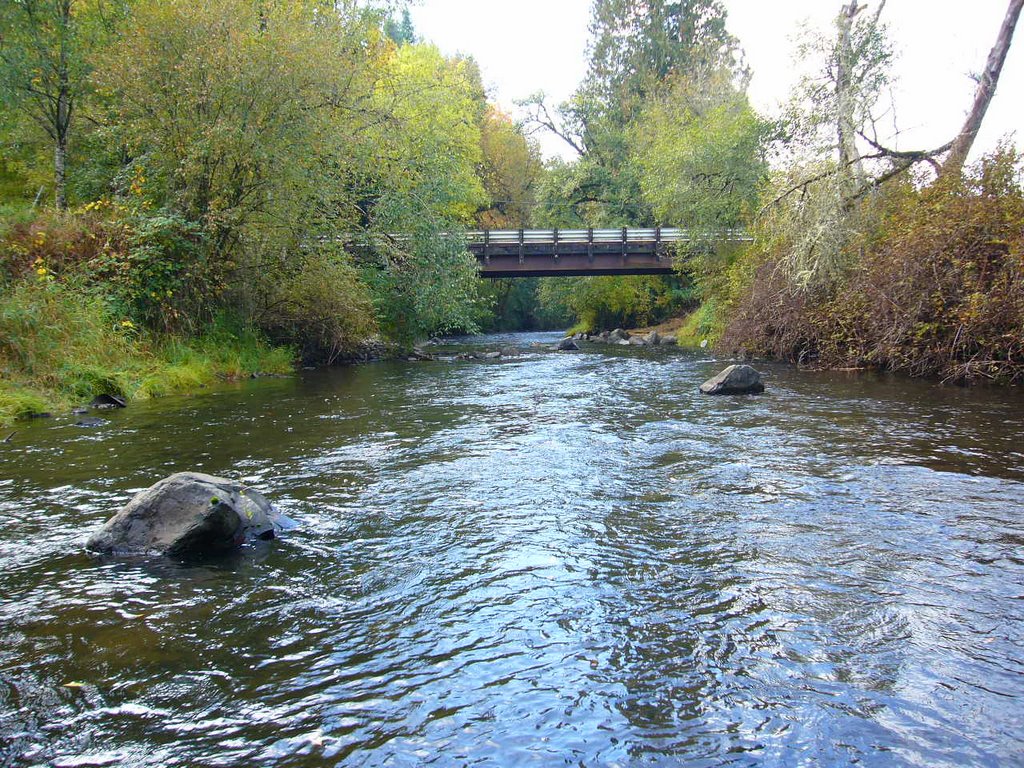
During the winter season, which usually runs from mid-October to mid-June, the JWC receives all of its “raw” (untreated) water from the Upper-Tualatin River. The winter water flows on the Tualatin River are normally quite high and there is plenty of water to meet the needs of fish, farmers and urban use, including the recharging of Aquifer Storage and Recovery (ASR) wells in Beaverton.
Summer Water Sources
During summer or “peak” season, which usually runs from mid-June to mid-October, the lack of rain causes the natural water level in the Upper-Tualatin River to drop. As the level drops, Washington County’s Watermaster orders river water users to cease using river flow as a source. Who gets ordered off when is based on the river level and the age of the water right held – the oldest water rights are allowed to continue use the longest. Hillsboro, one of the JWC agency members, owns some of the oldest natural river rights on the Tualatin River, but even those usually only last until mid-June.
River water is supplemented with water from the municipally owned Barney Reservoir and a small municipal supply in the Bureau of Reclamation-owned Scoggins Reservoir (also known as Hagg Lake). The JWC begins releasing water from two reservoirs to provide supplemental water in order to meet customer demands. Both reservoirs were designed to catch and store heavy rainfall in the winter months.
Barney Reservoir
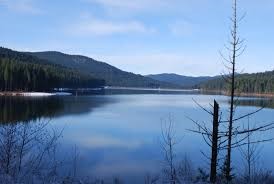
The reservoir holds 20,000 acre-feet of water at capacity, of which 14,886 acre-feet is available for drinking water. An acre-foot is the amount that covers an acre at a depth of one foot of water and is equal to 325,851 gallons.
Scoggins Reservoir (Hagg Lake)
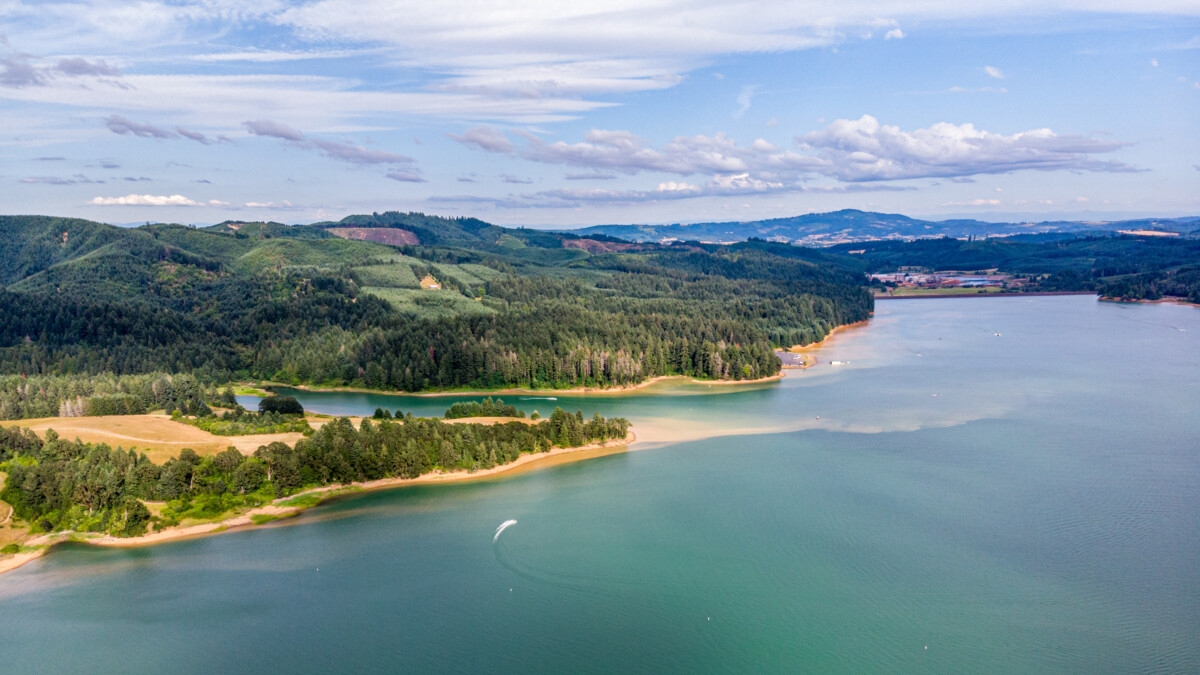
Scoggins Dam and Reservoir was constructed in the l960’s and is owned by the Bureau of Reclamation. Its primary purpose was to provide flood control for the Tualatin Valley, but it also impounds 53,000-acre feet of water on Scoggins Creek.
The majority of impounded water is owned by the Tualatin Valley Irrigation District. The reservoir stores approximately 59,950 acre-feet of water when full, and the JWC has rights to use 13,500-acre feet of the impoundment when it fills to capacity.
Learn more about the Scroggins Reservoir and access water level and flow rate information.
Aquifer Storage & Recovery
Aquifer Storage and Recovery (ASR) is a sustainable way to use seasonal water resources. ASR involves injecting drinking water into a suitable aquifer (an underground geological formation that holds water) for storage, with the intent to recover it for later use. ASR gained momentum in Oregon in the 1990s and is being used throughout the state and elsewhere, including overseas. Western Oregon’s climate is well-suited for ASR because water is plentiful during the rainy winter months, but not readily available in the dry summer months when water demands are at their highest.
ASR wells are recharged (filled with water) during the winter when the rivers are high and treatment facilities have excess capacity. During the hot summer months, the stored water is pumped from the ASR wells and used to meet peak water demands that may exceed available summer sources, such as Hagg Lake and Barney Reservoir.
It is important to note that ASR alone cannot meet all future storage needs in the region. While ASR is a very helpful water management tool, it requires unique geological formations to be successful and ASR locations can be difficult to secure. Both the Tualatin Valley Water District and City of Beaverton have found and developed successful ASR sites within their systems. ASR sites may be developed in the future for JWC partners.