Treatment
Comprehensive Water Treatment Process
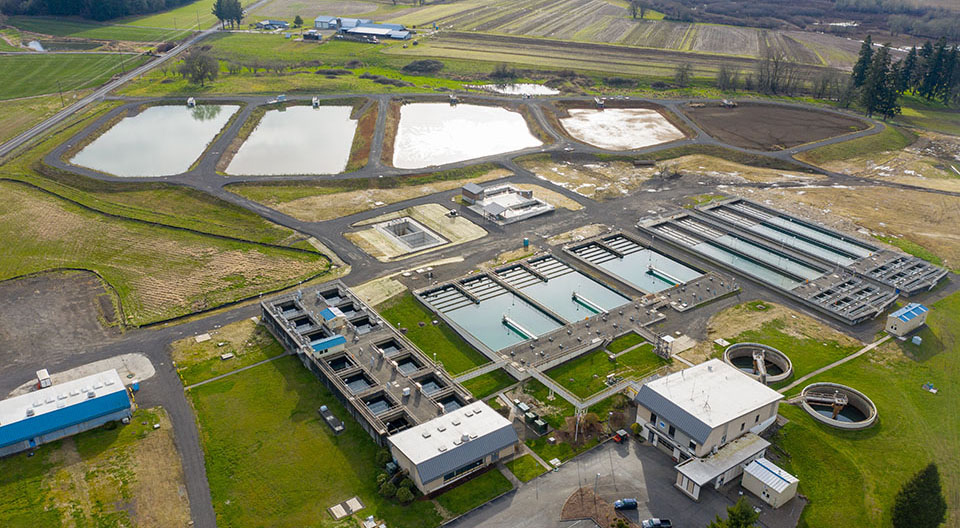
Step 1: Raw Water Intake

Untreated water is drawn from the upper-Tualatin River at the Spring Hill Intake, near Forest Grove.
Step 2: Rapid Mix
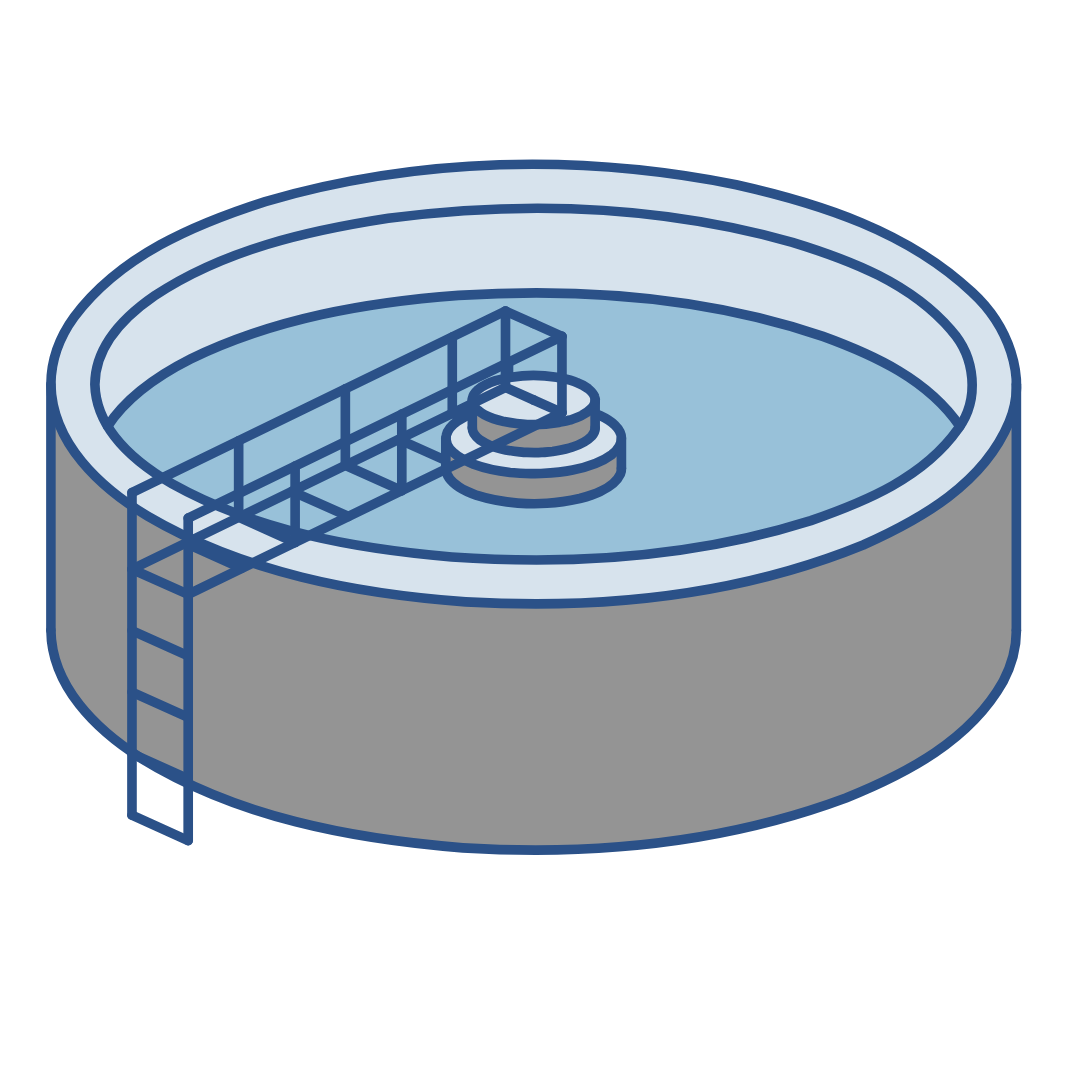
Untreated water is then pumped to the rapid mix where chlorine and alum are added. The chlorine serves as a disinfectant. The alum causes small particles to rapidly “floc” or adhere to one another, making them heavy enough to settle out of the water in a sedimentation basin.
Step 3: Filtration
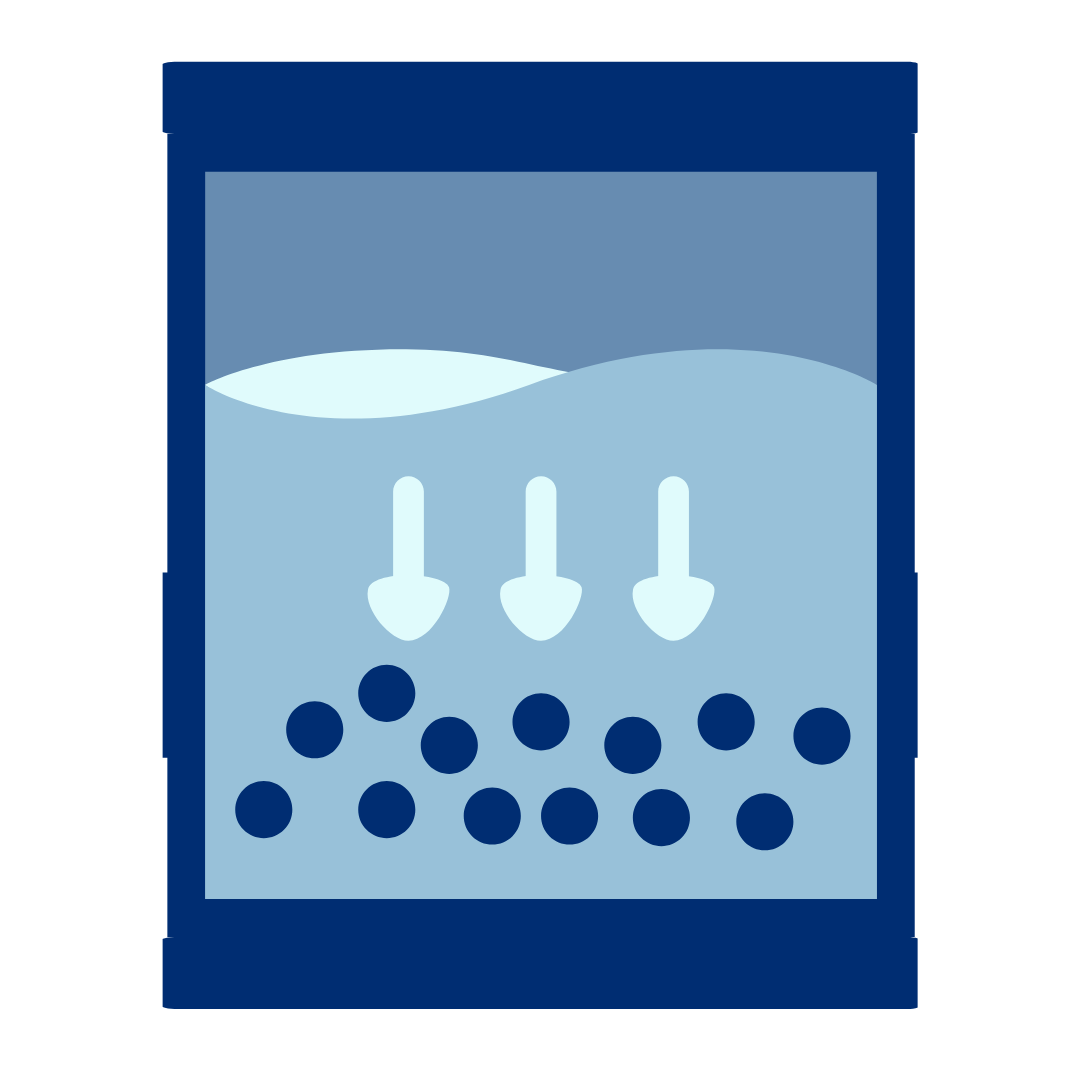
After settling, polymer is added in the flume to help the filters remove particles that make it out of the sedimentation basins. The water is then filtered through layers of anthracite coal and silica sand. As suspended particles are removed, turbidity disappears, and clean water emerges. Removing turbidity through filtration is an effective way to protect against Cryptosporidium, a microscopic disease-causing parasite.
Step 4: Disinfection
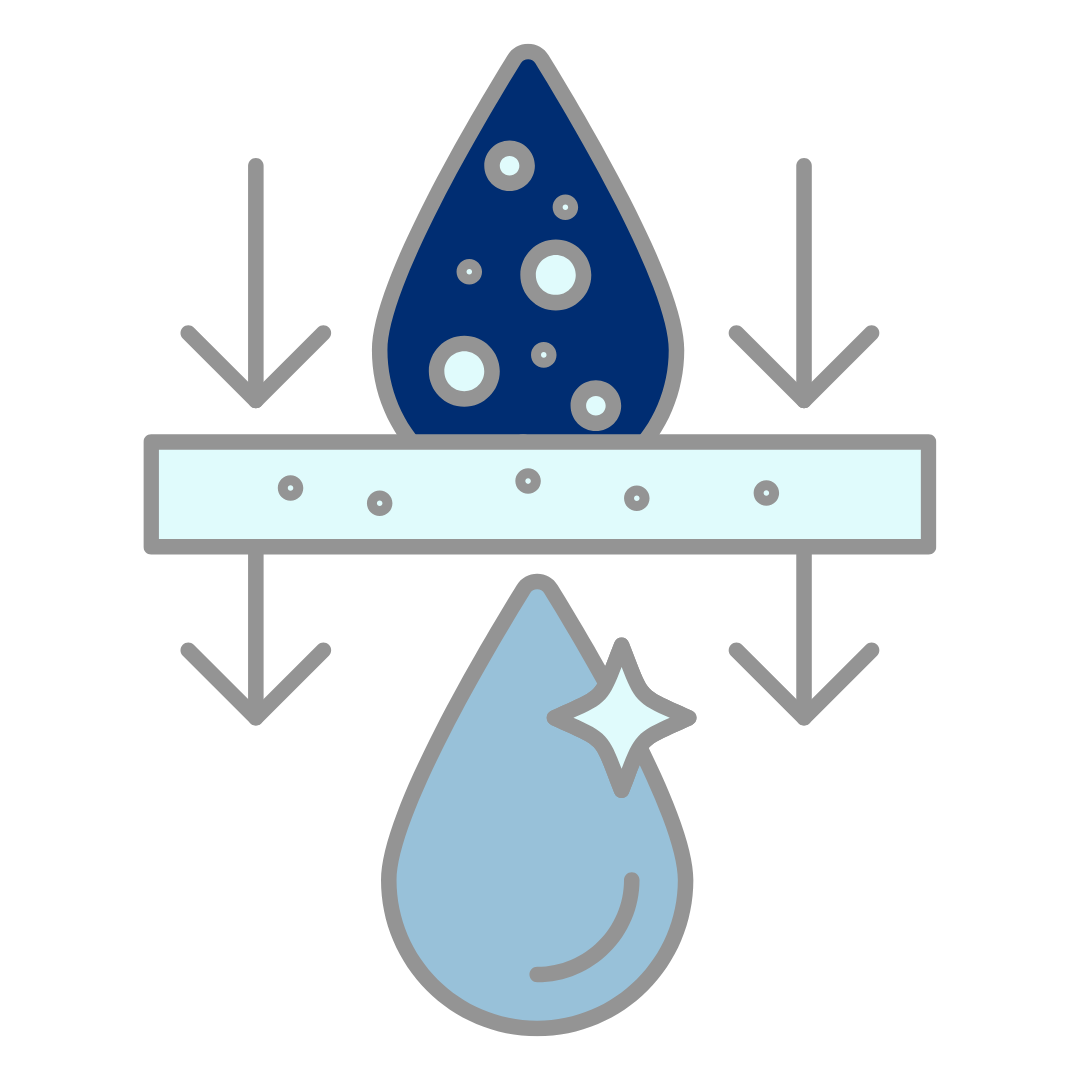
At this point, the lowest quantity necessary of chlorine is added. This kills harmful pathogens such as bacteria and viruses. Caustic soda (sodium hydroxide) is added to adjust the final pH and alkalinity to reduce pipe corrosion.
Step 5: Clearwell
The treated – or "finished" water – is then temporarily stored in an underground water reservoir, called a clearwell.
Step 6: Reservoirs
Finally, finished water is pumped either to the Fernhill Reservoirs or directly into the three large water transmission pipelines.
Step 7: Transmission

From there, water travels into a network of storage reservoirs and partner’s water distribution lines to reach customers.
Step 8: Delivery
Clean, fresh drinking water arrives right to your tap.