Drinking Water Produced by the Joint Water Commission is Safe to Drink & Use During Chlorine Shortage
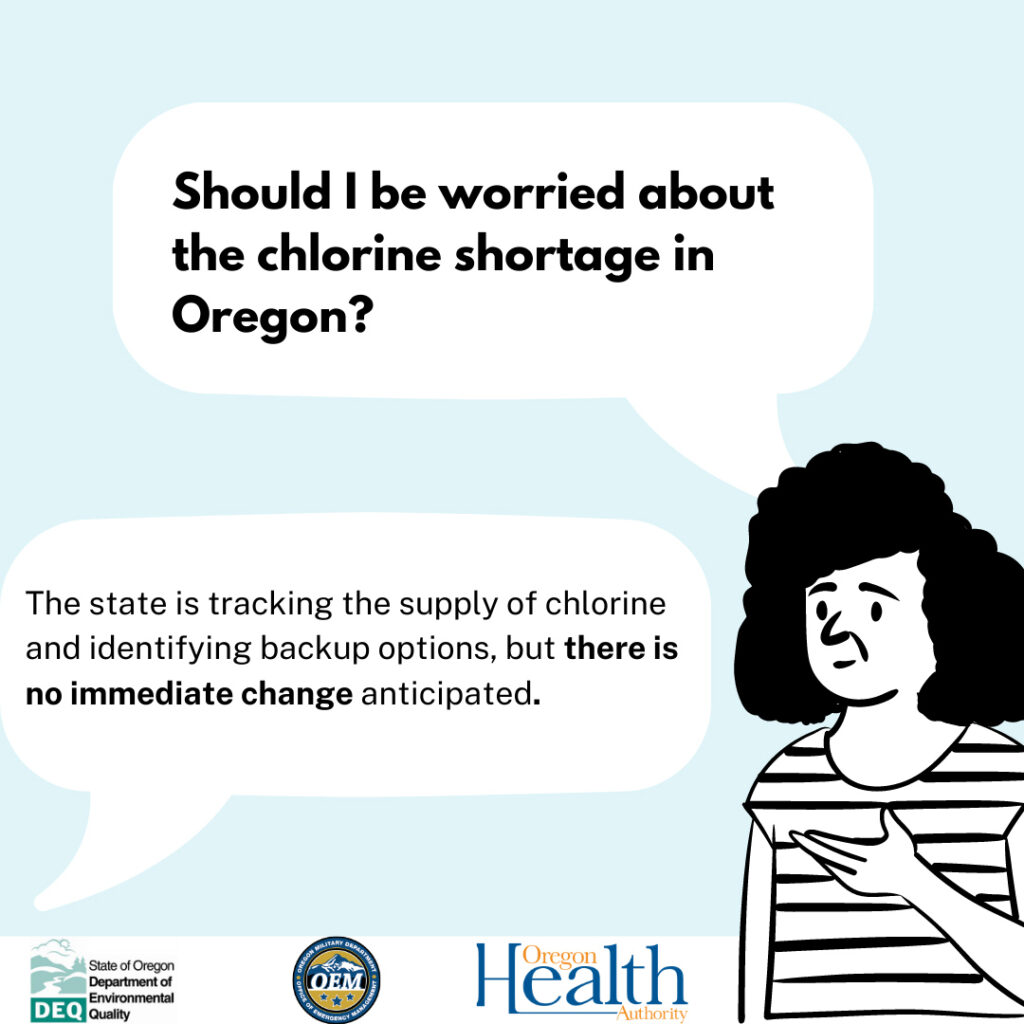
The Joint Water Commission (JWC) was recently notified of a chlorine shortage caused by an equipment failure at a manufacturing facility on the west coast.
As the primary drinking water supplier responsible for treating, transmitting, and storing potable water for more than 450,000 customers in Washington County, Oregon, the JWC is prepared to continue producing clean, high-quality drinking water for customers during the chlorine shortage.
At the JWC Water Treatment Plant in Forest Grove, Oregon, small amounts of chlorine is used in the treatment process to disinfect and ensure water is safe to drink and use.
Protection of public health is the JWC’s highest priority,” said Niki Iverson, the JWC General Manager. “The water produced by the JWC and served by its partners remains clean and safe to drink. The JWC can continue to adequately treat water during this time.”
The JWC has enough chlorine supplies on hand or committed to last through for more than a month. Based on the most updated information available, this timeframe is projected to be sufficient for the chlorine supplier to resume supply.
The JWC is working closely with local water utilities, the Oregon Governor’s Office, Oregon Emergency Management, Oregon Health Authority, Department of Environmental Quality, Oregon Water/Wastewater Agency Response Network, and federal authorities to mitigate this shortage.
“To be proactive, state-certified JWC drinking water operators have implemented measures to extend chlorine supply,” said Chris Wilson, the JWC Water Treatment Plant Manager. “The JWC is also working to acquire additional supplies from other manufacturers, all while also ensuring that the water remains safe to drink and use.”
Customers can help to extend the JWC’s existing supply of chlorine supply by reducing indoor and outdoor water use. For additional water efficiency tips, visit JWCWater.org/Conservation.
The JWC will keep partners informed of the situation and any further actions needed. For additional information or questions, customers are encouraged to contact their drinking water provider directly. To determine your drinking water provider by entering a service address, visit RegionalH2O.org/Our-Regions-Water/Drinking-Water-Advisory-Tool.