Joint Water Commission Continued Producing Safe Drinking Water during Chlorine Supply Disruption
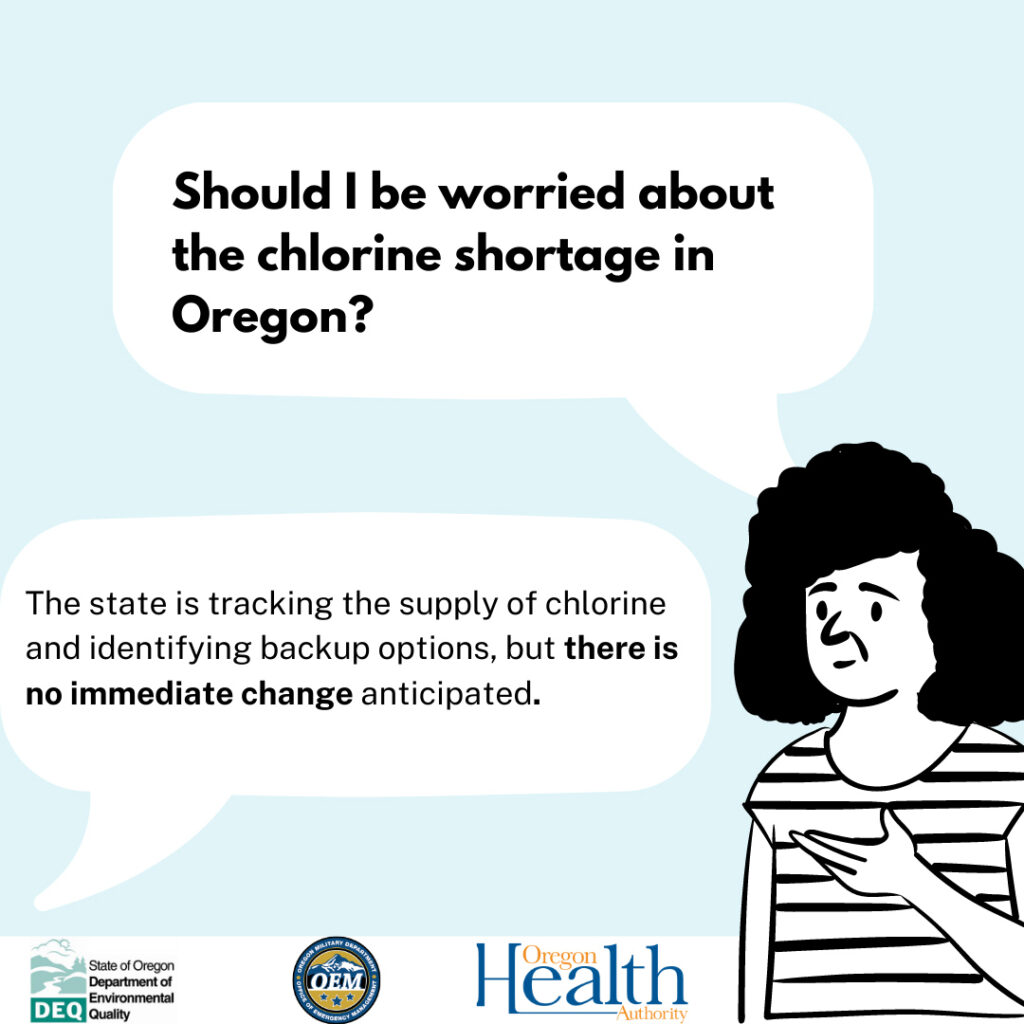
Despite the recent chlorine supply shortage, the Joint Water Commission (JWC) continues to safely produce clean, high-quality drinking water for more than 450,000 customers in Washington County, Oregon. The JWC water treatment plant has maintained normal chlorine supply levels without any major interruptions in deliveries.
At the drinking water treatment plant in Forest Grove, Oregon, the JWC uses small amounts of chlorine in the water treatment process to disinfect and ensure water is safe to drink and use.
In early June, the JWC was notified of a major electrical failure at a chemical manufacturing plant in Longview, Washington, which in turn caused a critical chlorine supply shortage over the entire West Coast region.
JWC immediately notified partners of the regional shortage. Staff determined that the JWC chlorine supply on site was at a normal level, and set into motion operational adjustments to further extend the chlorine supply and continue producing clean, high-quality drinking water for customers.
Staff also began to acquire additional disinfection supplies from other manufacturers, and initiated coordination with local, state, and federal authorities to mitigate the shortage and support other utilities’ access to necessary chlorine supply. Through mutual aid agreements, JWC and many other water providers in the region worked cooperatively to ensure that all water providers had chlorine available for water treatment.
Over the next couple weeks, the JWC received several shipments of chlorine. The shipment allowed treatment and production of an uninterrupted supply of drinking water for JWC partner agencies – including the cities of Hillsboro, Forest Grove, and Beaverton, and the Tualatin Valley Water District – to serve to their respective customers.
By the week of June 21, the chlorine manufacturer successfully repaired the electrical failure, and began to produce chlorine.
JWC staff are exploring options to further ensure uninterrupted water treatment plant operations going forward, including alternative disinfection supplies and systems to reduce reliance on the limited number of chlorine manufacturers on the west coast.
“Protection of public health is the JWC’s highest priority,” said Niki Iverson, the JWC General Manager. “Due to partnerships, planning, and investment, the JWC and its partner agencies were prepared to respond to this situation, and help other utilities in the process.”
While this incident has been significantly resolved, customers and the community are encouraged to remain actively engaged in using water efficiently, especially during the upcoming summer months. For tips, visit JWCWater.org/Conservation.